

Energy and Fuel Efficiency
Maximizing fuel savings through analysis of heat and clinker cycles, combustion air preheating, and advanced automation systems.
Technical Details and Application
Fuel consumption, which is the largest cost item of industrial plants, is also the main source of indirect carbon emissions. Our energy and fuel efficiency solutions cover the minimization of thermal losses, feeding back high-temperature combustion air to the system via recuperators, and burner combustion optimizations. In this way, we increase the operational efficiency of your plant while reducing its carbon footprint.
"Utilizing waste heat for combustion air preheating in industrial kilns cuts additional fuel demand by up to 25%, proving to be the most rational engineering investment with a 2-year payback," highlighted Energy Systems Specialist Dr. Murat Demir.
Operational Benefits Provided
- ✓Provides direct cash savings in natural gas and coal costs.
- ✓Reduces total energy intensity of the plant (TOE/ton).
- ✓Extends boiler and kiln life through thermal optimization.
- ✓Supports ISO 50001 Energy Management System standards.
How to increase energy and fuel efficiency in industrial manufacturing plants?
Energy and fuel efficiency in industrial plants is increased by preventing thermal losses, utilizing high-temperature flue gases for combustion air preheating via recuperators, and executing automatic burner optimizations. Consequently, facility natural gas and coal consumption decreases by 10% to 30%, lowering energy intensity and providing immediate cash savings.
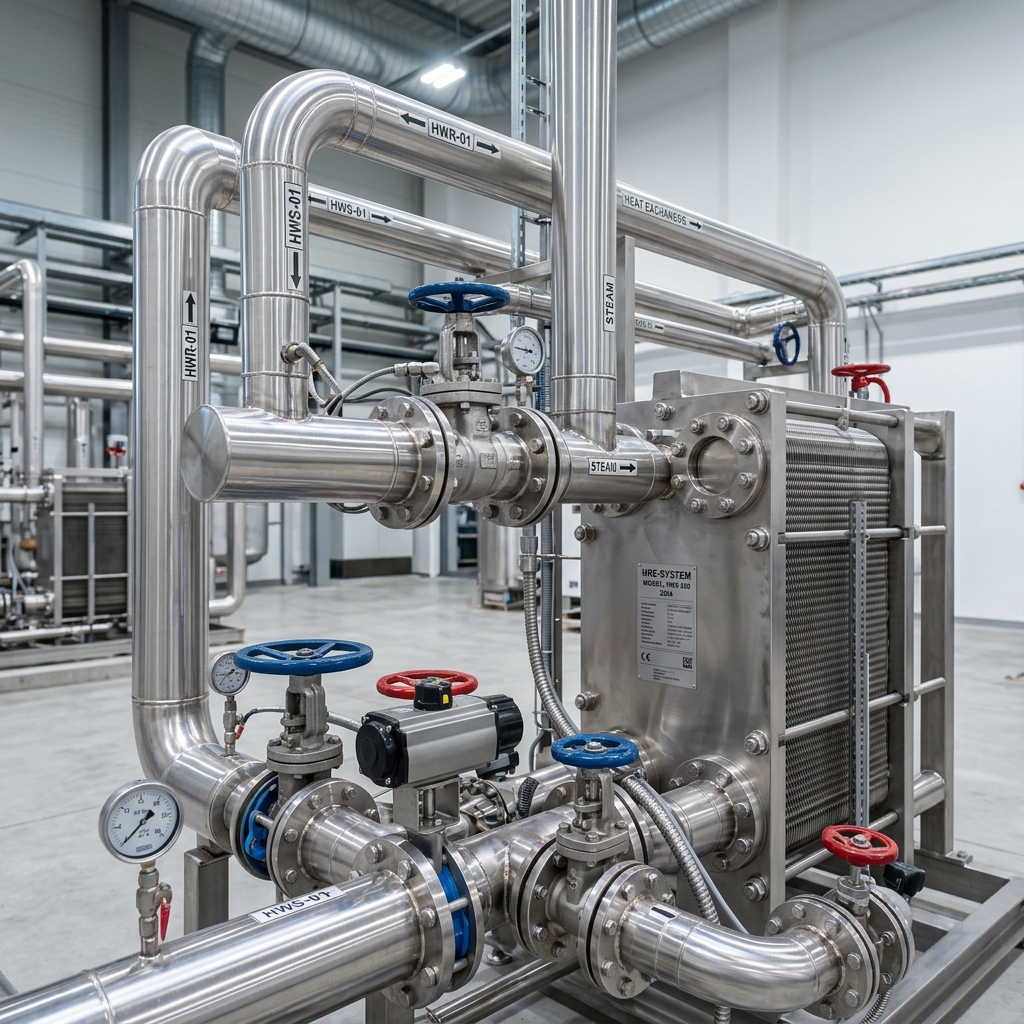
Technical Parameters
| Application Area | Tunnel Kilns, Glass Melting Furnaces, Steam Boilers |
| Fuel Saving Potential | 10% - 30% Natural Gas / Coal Savings |
| Return on Investment (ROI) | 18 - 36 Months |
| Measurement Infrastructure | Continuous Emission Measurement Systems (CEMS) Integration |
Energy and Fuel Efficiency — SSS & Teknik Rehber
How to increase energy and fuel efficiency in industrial manufacturing plants?+
Energy and fuel efficiency in industrial plants is increased by preventing thermal losses, utilizing high-temperature flue gases for combustion air preheating via recuperators, and executing automatic burner optimizations. Consequently, facility natural gas and coal consumption decreases by 10% to 30%, lowering energy intensity and providing immediate cash savings.
Industrial Decarbonization & Related Navigation Mesh
Comprehensive engineering guides, technical solutions, and green financing models for heavy industry and real estate.
Core Solutions
Industrial Sectors
Finance & Asset Management
Methodology, Guides & Tools
- 📋EU CBAM Regulation Guide
- 🔄Life Cycle Assessment (LCA)
- 📈ESG Scores & Green Loan Frameworks
- ⚙️7-Stage Turnkey Project Model
- 🗺️Regional Scope (TR, EU, RU, CIS)
- 🛡️Independent Clean-Tech Partners
- 📐Optima Atlas — GHG & ISO Standards
- 🚀Pilot Projects & Implementation
- 🧮B2B Carbon ROI Calculator
- 🎯Interactive Project Navigator
- 📞Pre-Feasibility & Site Audit Request