

Our Sector Solutions
We offer mitigation solutions based on deep engineering and process knowledge, specific to the 6 sectors with the most intensive carbon emissions of heavy industry.
"Without reducing process emissions in energy-intensive sectors like cement, steel, and chemicals, sustaining market competitiveness in Europe is no longer viable," explained Heavy Industry Transformation Coordinator Cengizhan Şahin.
How is heavy industry decarbonization and emission transformation implemented?
Heavy industry decarbonization is implemented through kiln calcination optimization, waste heat recovery (WHR), hydrogen and alternative fuel feeding systems, and advanced electrification steps. These measures permanently reduce the embedded carbon footprint per product unit, making manufacturing plants fully compliant with EU CBAM regulations.
Sectoral Carbon Intensity & Clean Technology Matrix
Energy optimization benchmarks and capital payback periods across heavy industries
| Sector | Emission Intensity | Priority Technology Solution | Expected Payback |
|---|---|---|---|
| Cement Manufacturing | Very High (>600 kg CO₂/t clinker) | Calcination Optimization, WHR Power Turbines | 2.5 - 4 Years |
| Iron & Steel Production | Very High (>1.8 t CO₂/t steel) | EAF Waste Heat Recovery, CEMS Telemetry | 2 - 3.5 Years |
| Ceramics & Glass | High (High-temp gas kilns) | Thermal Recuperators, Air Preheating | 1.5 - 3 Years |
| Chemicals & Refineries | High (Process steam boilers) | Flash Steam & Condensate Energy Recovery | 1 - 2.5 Years |
| Power Plants & Foundries | Very High (Thermal/CHP stacks) | ORC Turbines, Exhaust-to-Power Systems | 3 - 5 Years |
Cement Sector
Sectoral Focus and Solution Area
Clinker production, high kiln heats, and fuel conversion.
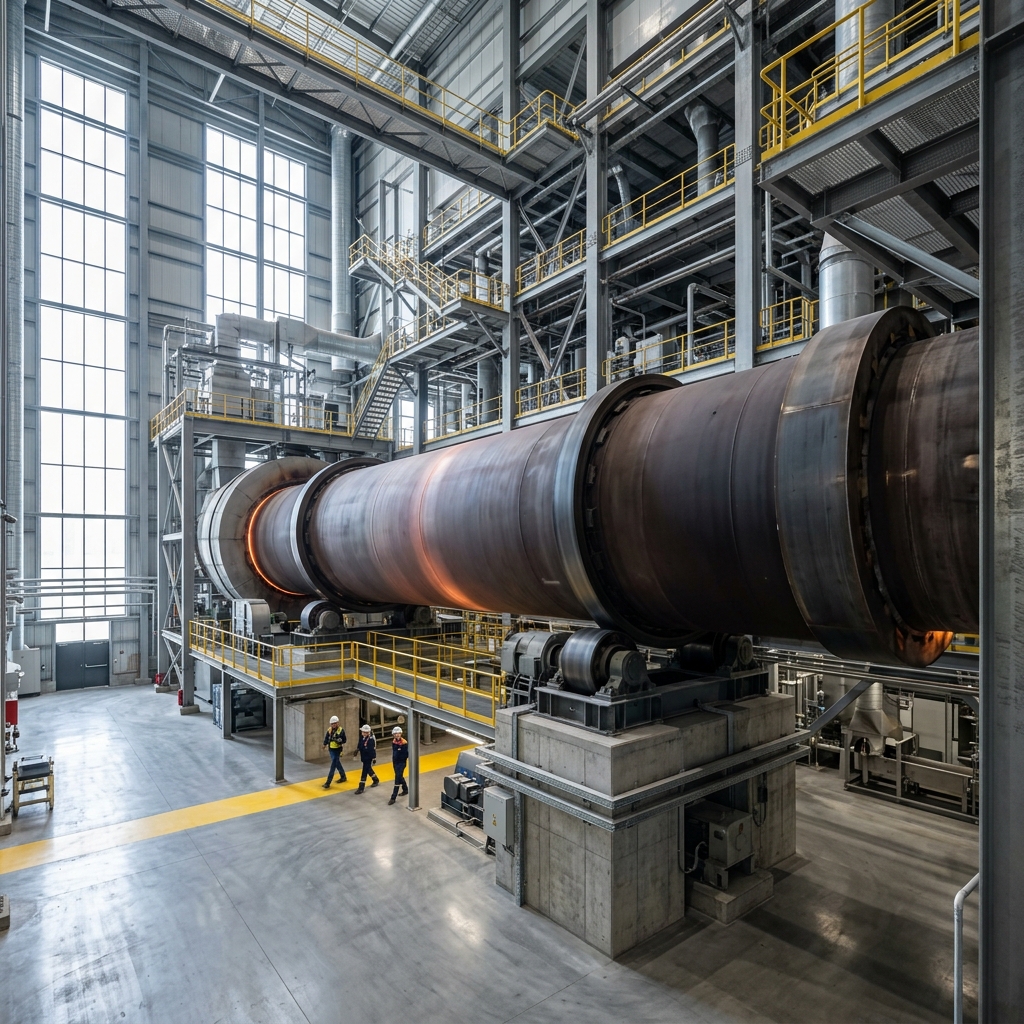
Cement production is naturally one of the heavy industry branches with the highest process emissions. Optima Carbon Platform develops systems for reducing CO₂ gases originating from clinker calcination processes, alternative fuel (biomass, waste-derived fuel) conversions in calcination kilns, and waste heat recovery (WHR) from flue gas.
Application Areas
- ✓Rotary Kiln Waste Heat Recovery
- ✓Calcination Process Emission Reduction
- ✓Alternative Fuel Feeding Systems
- ✓Cement Grinding Energy Optimization
Iron-Steel Sector
Sectoral Focus and Solution Area
Electric arc furnaces, high process heat, and stack emission control.
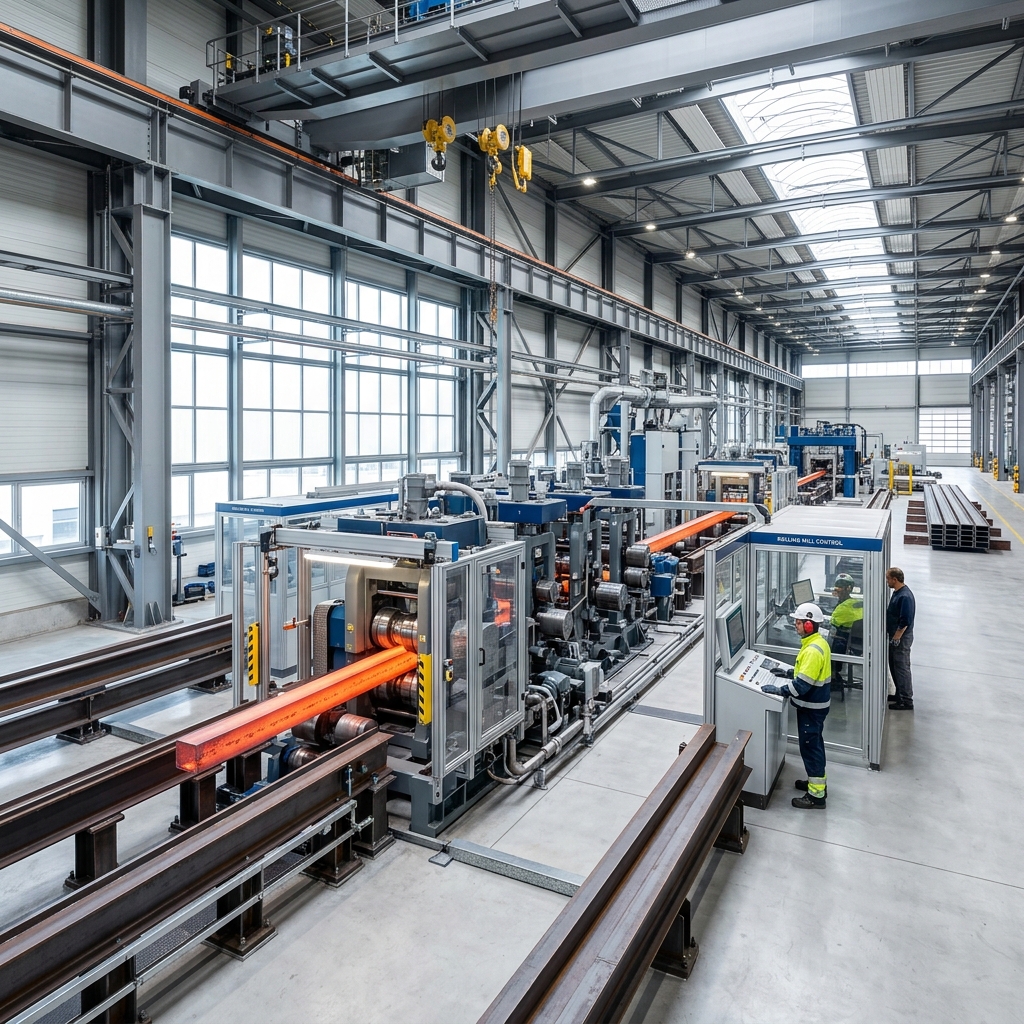
The iron and steel sector has a large carbon footprint due to its extremely energy-intensive structure. We optimize carbon intensity through reducing thermal losses in electric arc furnaces and ladle furnaces, slag waste heat recovery, reusing process gases (coke oven gas, blast furnace gas) in energy production, and heat recovery in stack systems.
Application Areas
- ✓Arc Furnace Thermal Efficiency
- ✓Process Gas Recovery Systems
- ✓Flue Gas Energy Integration
- ✓Heat Treatment Furnaces Optimization
Ceramic and Glass Sector
Sectoral Focus and Solution Area
Tunnel kilns, natural gas savings, and process optimization.
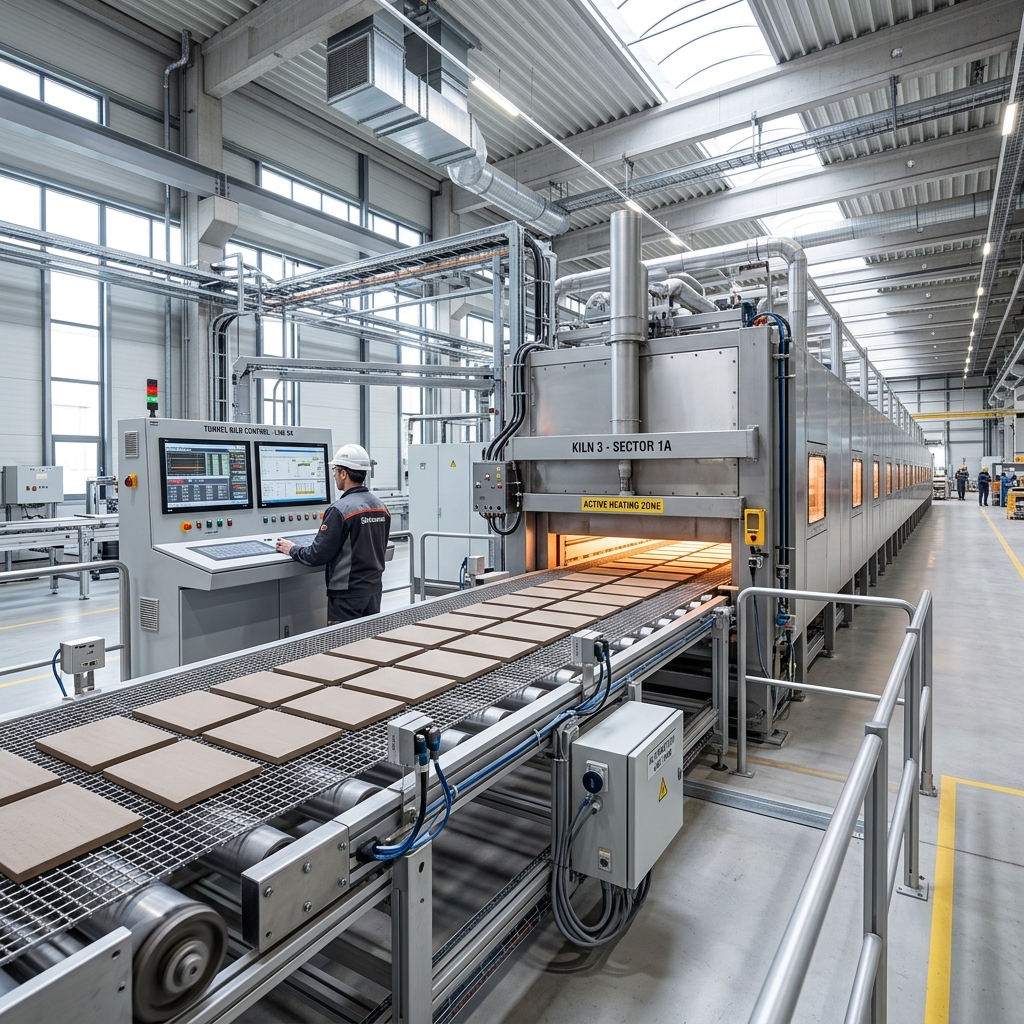
Ceramic firing kilns and glass melting basins require continuous high heat and have high natural gas consumption. We achieve high savings in natural gas consumption by feeding back waste heat from firing kilns to raw material drying and spray dryer units, automatic control of kiln air-fuel ratios, and combustion optimization systems.
Application Areas
- ✓Spray Dryer Heat Integration
- ✓Tunnel Kiln Flue Gas Recovery
- ✓Combustion Air Preheating Systems
- ✓Oxy-fuel Combustion and Burner Conversion
Energy Production Plants
Sectoral Focus and Solution Area
Thermal power plants, combined cycle gas power plants, and auxiliary facilities.
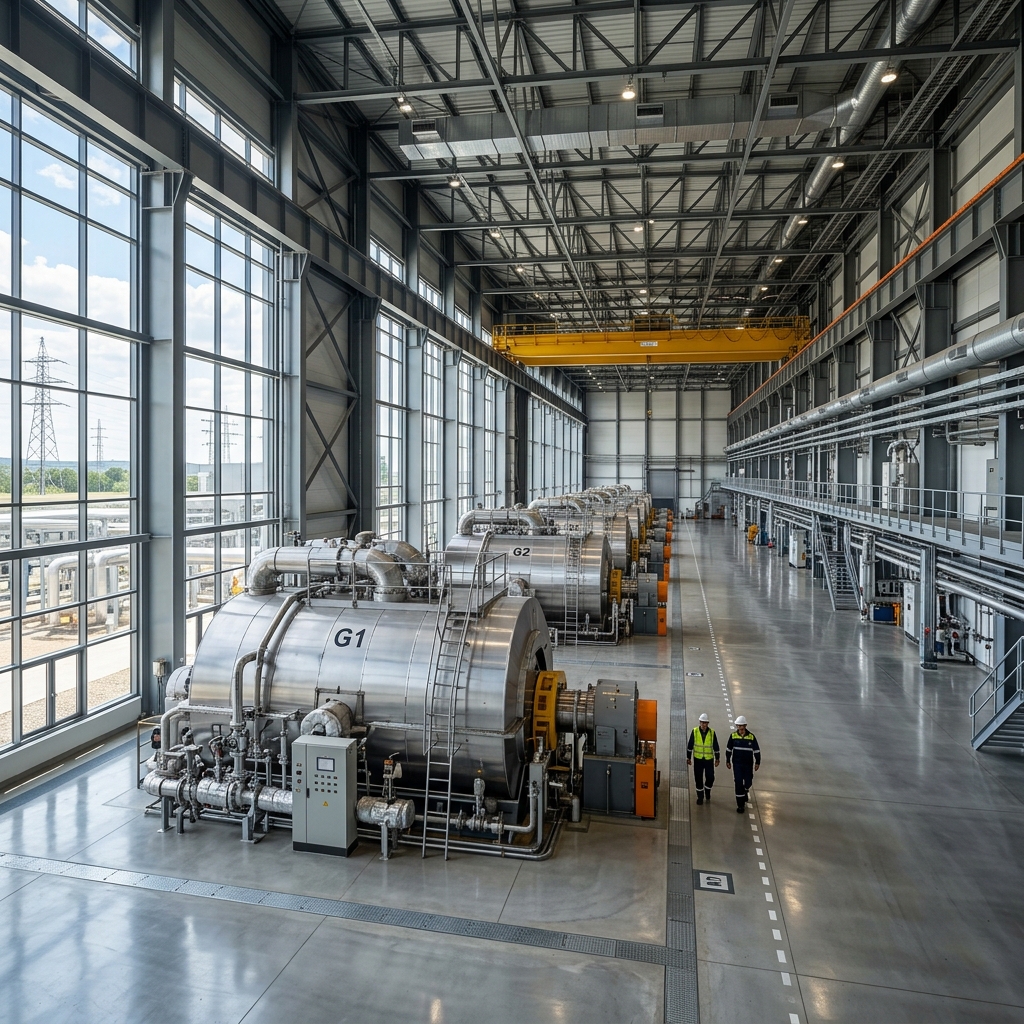
In conventional thermal power plants and natural gas combined cycle power plants, boiler efficiency and flue gas losses directly affect the emission rate. We reduce the amount of carbon per unit of electricity generated (gCO₂/kWh) through condenser waste heat evaluation, boiler feed water preheating, flue gas filtration, and emission reduction optimizations.
Application Areas
- ✓Boiler Feed Water Preheating
- ✓Condenser Heat Recovery
- ✓Flue Gas Desulfurization Heat Integration
- ✓Auxiliary Facility Energy Optimization
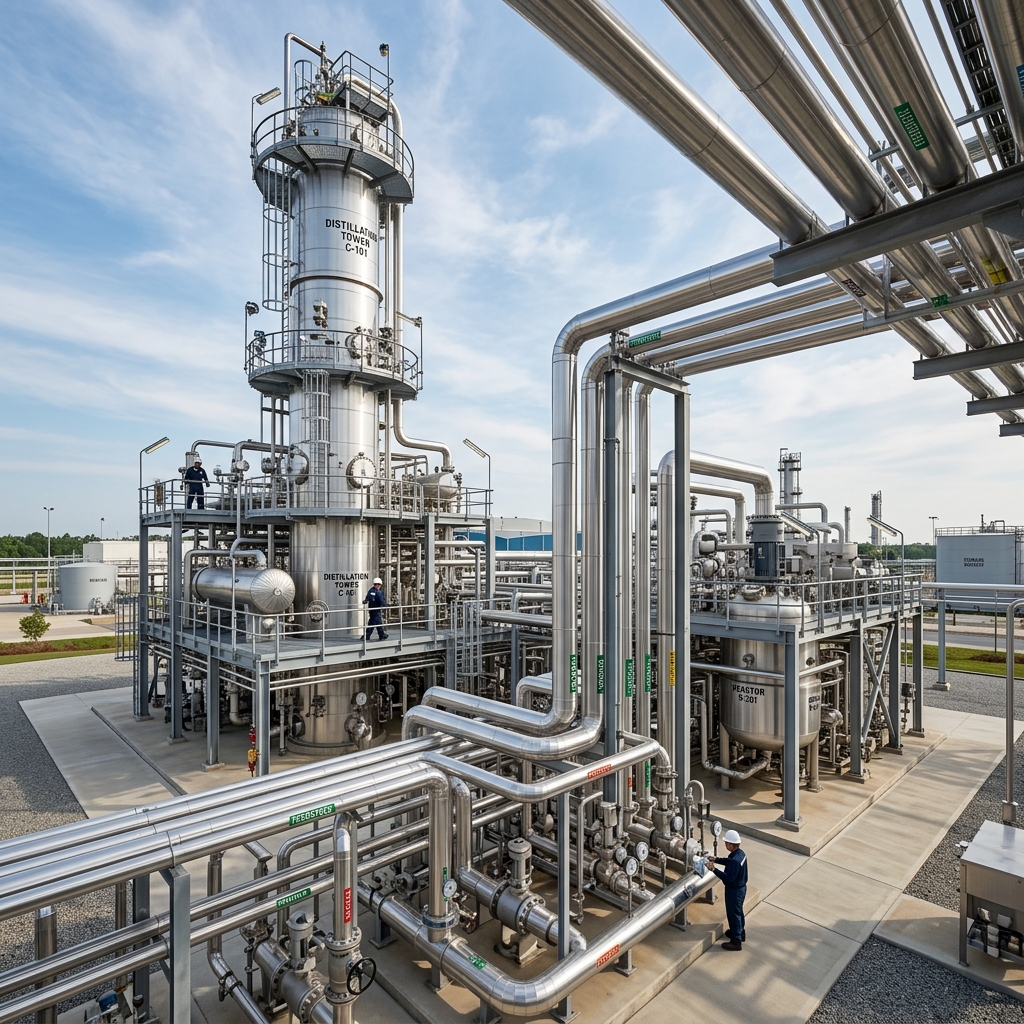
Chemical & Refinery Sector
Sectoral Focus and Solution Area
Reactor heat integration, auxiliary boilers, and steam systems.
Chemical plants and refineries consume energy continuously due to high-pressure steam lines and reactor jacket heating/cooling cycles. We limit carbon emissions with steam trap optimization, flash steam recovery units, reactor exothermic reaction heat usage in heating process water, and cogeneration integrations.
Application Areas
- ✓Flash Steam Recovery
- ✓Reactor Heat Integration (Pinch Analysis)
- ✓Steam Distribution Lines Insulation and Monitoring
- ✓Cogeneration and Cycle Systems
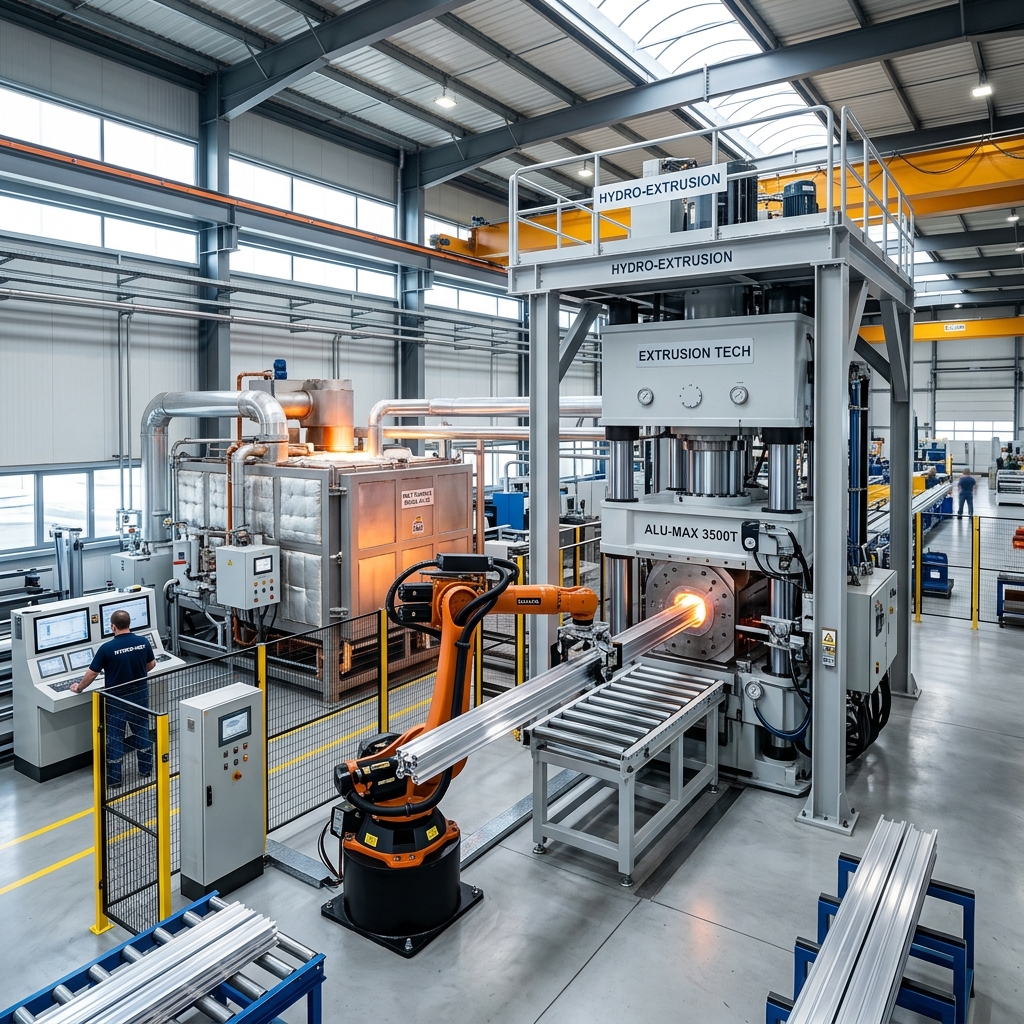
Aluminum & Casting Sector
Sectoral Focus and Solution Area
Melting furnaces, casting processes, and thermal efficiency.
Aluminum melting and secondary aluminum recycling processes require high casting temperatures. We reduce melting energy inputs by preventing furnace lid leaks, transferring flue gas heat to combustion air with regenerative and recuperative burner systems, and integrating scrap preheating conveyors.
Application Areas
- ✓Regenerative Burner Integration
- ✓Scrap Preheating Systems
- ✓Furnace Pressure Control
- ✓Casting Process Flue Gas Analyses
Real Estate & REIT Sector
Sectoral Focus and Solution Area
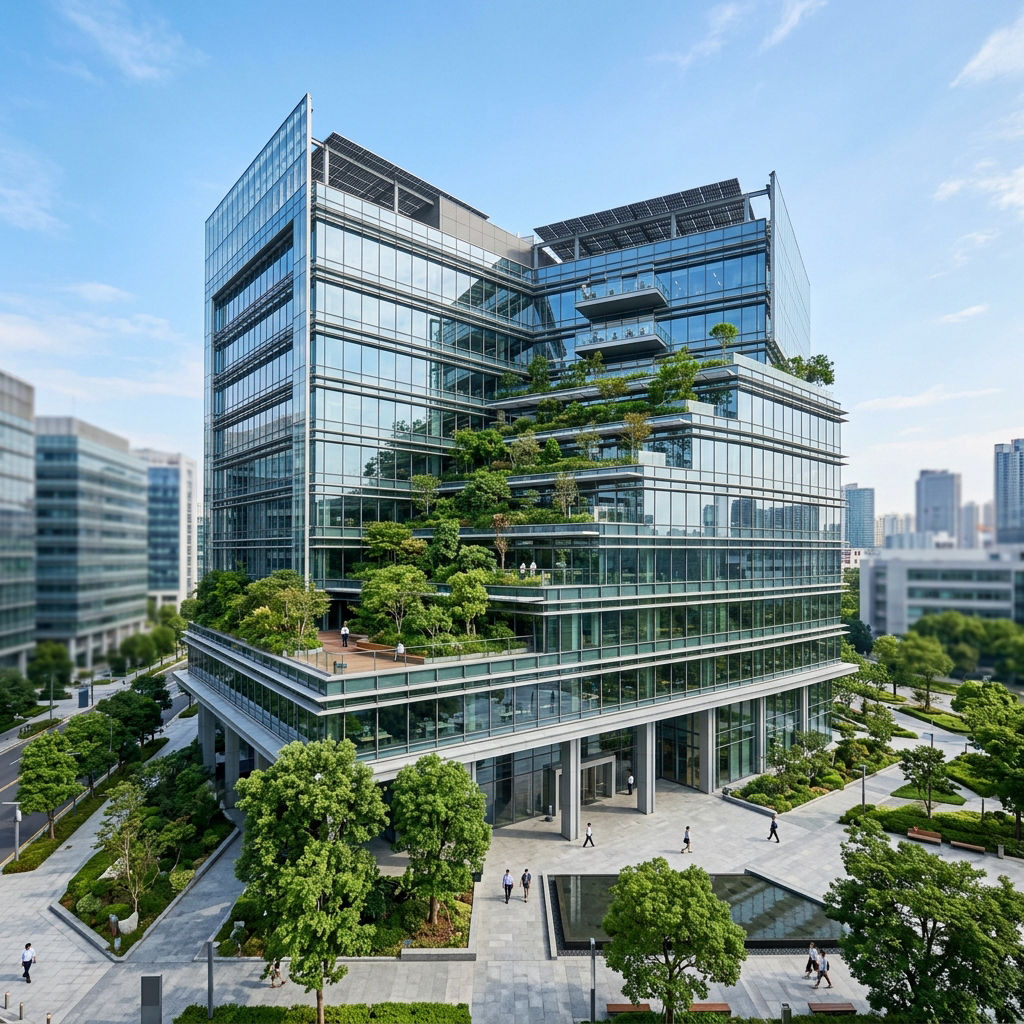
Green building, energy-water-waste management, and carbon footprint reduction.
Preparing real estate portfolios for green building certifications, building energy performance, life cycle emissions, and green finance readiness.
Application Areas
- ✓Green Building & Site Standards
- ✓Portfolio Carbon Inventory (LCA)
- ✓Energy, Water & Waste Management
Sectoral Decarbonization FAQ
How can steel and cement plants mitigate EU CBAM carbon tariff liabilities?+
By deploying pre-calcination optimization, waste heat power generation (WHR), and alternative fuels, plants lower their specific embedded emissions below EU benchmark thresholds.
What fuel savings are achievable in ceramic and glass kilns via recuperators?+
Preheating combustion air using high-temperature stack exhaust delivers documented natural gas consumption cuts of 15% to 25%.
Industrial Decarbonization & Related Navigation Mesh
Comprehensive engineering guides, technical solutions, and green financing models for heavy industry and real estate.
Core Solutions
Industrial Sectors
Finance & Asset Management
Methodology, Guides & Tools
- 📋EU CBAM Regulation Guide
- 🔄Life Cycle Assessment (LCA)
- 📈ESG Scores & Green Loan Frameworks
- ⚙️7-Stage Turnkey Project Model
- 🗺️Regional Scope (TR, EU, RU, CIS)
- 🛡️Independent Clean-Tech Partners
- 📐Optima Atlas — GHG & ISO Standards
- 🚀Pilot Projects & Implementation
- 🧮B2B Carbon ROI Calculator
- 🎯Interactive Project Navigator
- 📞Pre-Feasibility & Site Audit Request