

Our Transformation Solutions
Technical and financial coordination solutions that reduce the emission intensity of heavy industry plants and increase energy efficiency.
Field-Compatible and Measurable Applications
As Optima Carbon Platform, we start each project with plant-based engineering analysis. By collecting field data such as flue gas temperature, kiln heat, and steam pressures, we develop solutions that will not disrupt the operational structure of the plant. You can click on the cards below to learn more about our main solution areas.
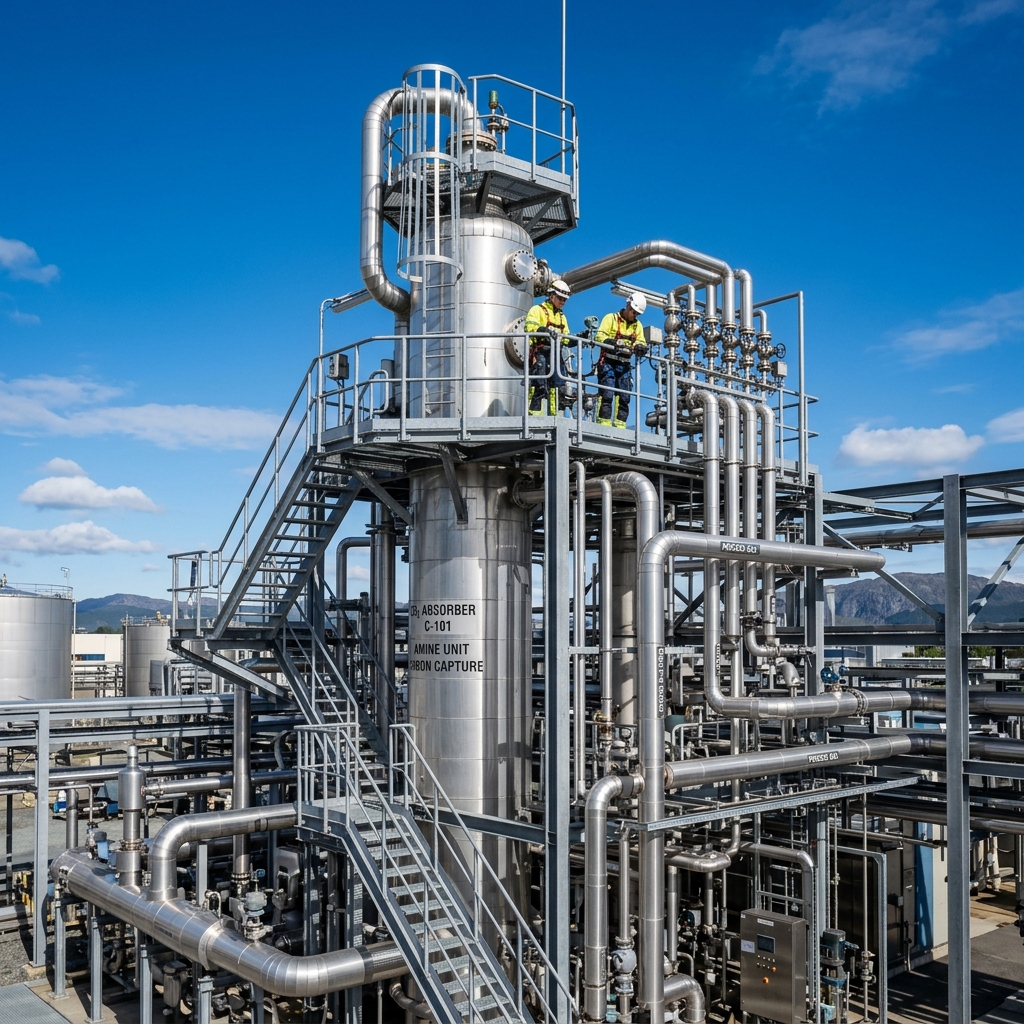
Industrial Emission Reduction
Reduction of direct process emissions with chemical absorption and alternative fuel systems in heavy industry kilns and calcination lines.
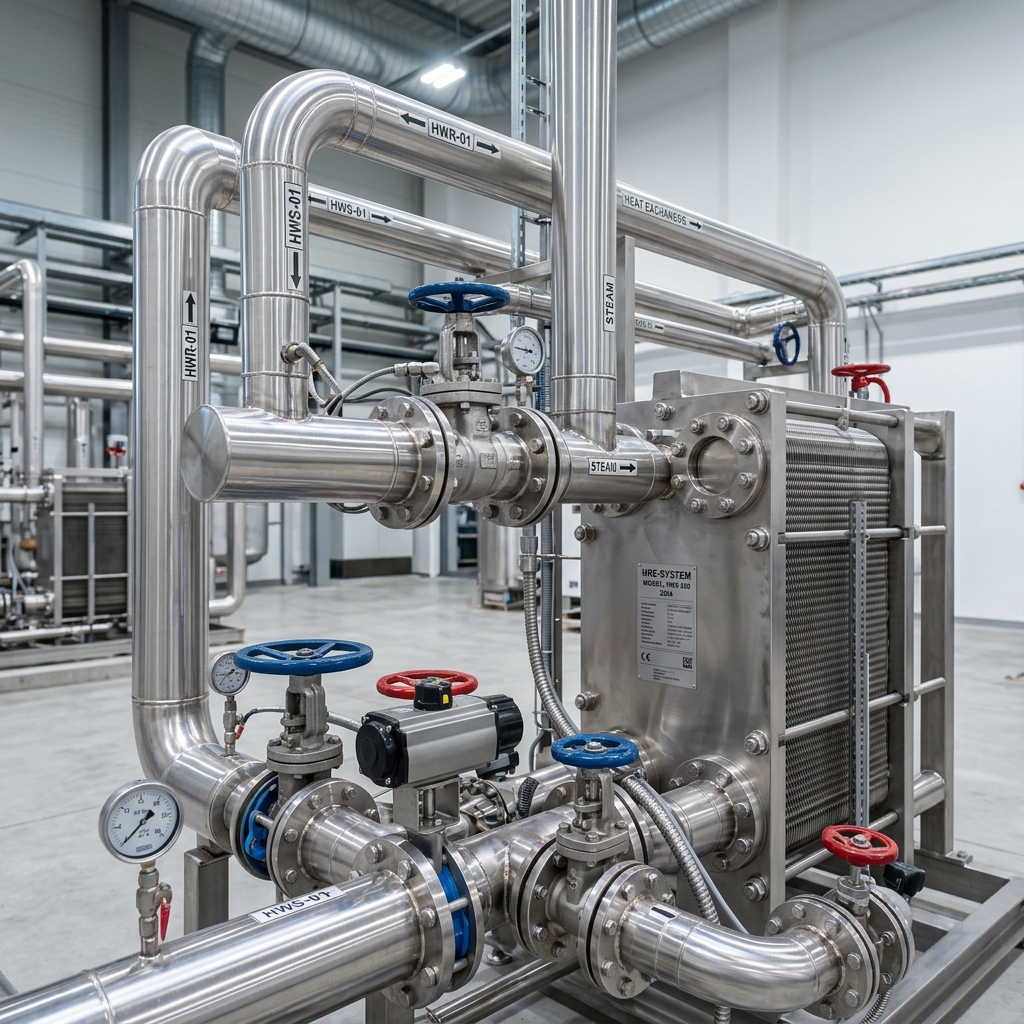
Energy and Fuel Efficiency
Maximizing fuel savings through analysis of heat and clinker cycles, combustion air preheating, and advanced automation systems.
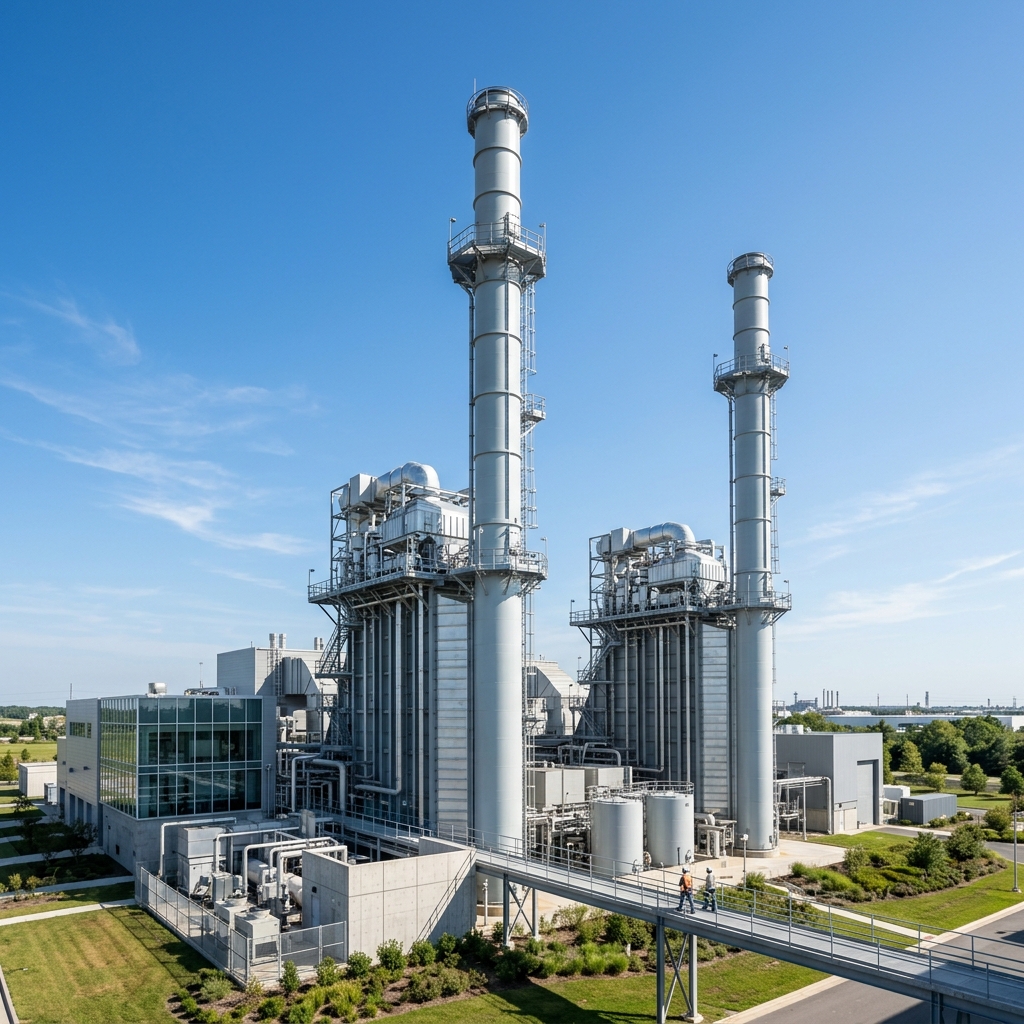
Flue Gas & Process Solutions
Evaluation of flue gas flow and temperature, waste heat recovery (WHR) turbines, and filtration integration for harmful emissions.
Technical Parameters
| Solution | Application Area | Core Output / Capacity | Details |
|---|---|---|---|
| Industrial Emission Reduction | Cement Rotary Kilns, Steel Arc Furnaces | Between 15% - 40% Calcination Reduction | Technical Details → |
| Energy and Fuel Efficiency | Tunnel Kilns, Glass Melting Furnaces, Steam Boilers | 10% - 30% Natural Gas / Coal Savings | Technical Details → |
| Flue Gas & Process Solutions | Factory Main Stacks, Cogeneration Outlets | 500 kW - 15 MW WHR Plants | Technical Details → |
Industrial Decarbonization FAQ
What impact do calcination optimization and alternative fuels have on process emissions?+
Optimizing raw meal calcination and co-firing alternative fuels reduces direct stack process emissions by 15% to 40% while lowering primary fuel costs.
Which manufacturing plants are eligible for WHR waste heat power generation?+
Any facility discharging flue gases above 200°C—including cement kilns, electric arc furnaces, glass melting furnaces, and incinerators—can deploy 500 kW to 15 MW WHR systems.
What is the typical payback period for thermal recuperator investments?+
By preheating combustion air with hot stack exhaust, recuperator systems cut natural gas demand by 10% to 25%, achieving full payback within 1.5 to 3 years.
Industrial Decarbonization & Related Navigation Mesh
Comprehensive engineering guides, technical solutions, and green financing models for heavy industry and real estate.
Core Solutions
Industrial Sectors
Finance & Asset Management
Methodology, Guides & Tools
- 📋EU CBAM Regulation Guide
- 🔄Life Cycle Assessment (LCA)
- 📈ESG Scores & Green Loan Frameworks
- ⚙️7-Stage Turnkey Project Model
- 🗺️Regional Scope (TR, EU, RU, CIS)
- 🛡️Independent Clean-Tech Partners
- 📐Optima Atlas — GHG & ISO Standards
- 🚀Pilot Projects & Implementation
- 🧮B2B Carbon ROI Calculator
- 🎯Interactive Project Navigator
- 📞Pre-Feasibility & Site Audit Request